
The register
Four rocks. Four reigns.
Between 1220 and 1341, four kings ruled Sri Lanka from these granite outcrops - each one chosen for the same reason: a rock that could be defended, and a summit that could hold a throne.
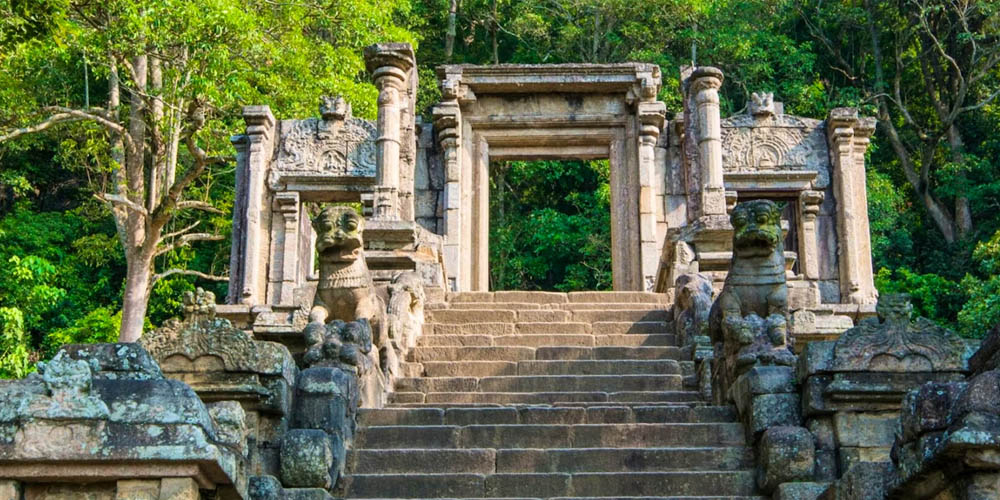
01 · King Buwanekabahu I
Yapahuwa Rock Fortress
Rising abruptly from the plains of Kurunegala, the Yapahuwa Rock Fortress is an awe-inspiring archaeological site that served as the capital of Sri Lanka during the late 13th century. Modeled after Sigiriya, this granite fortress is reached by climbing three sequential ornate stone stairways. The topmost staircase is an engineering masterpiece of ancient Sri Lankan stonework, decorated with elaborate stone carvings of musicians, dwarfs, dancers, and the iconic Yapahuwa lions.
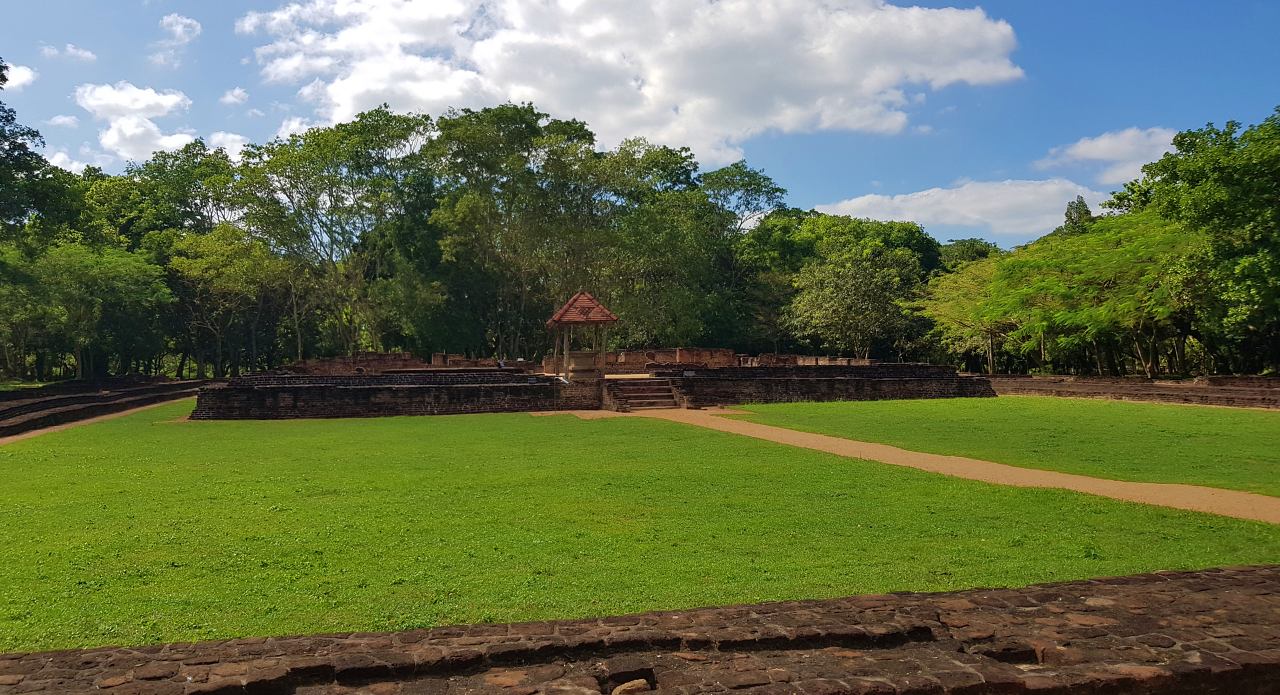
02 · King Parakramabahu I
Panduwasnuwara Palace
Panduwasnuwara is a remarkably complete 12th-century archaeological park containing the ruins of a beautifully structured royal capital fortress. Built under King Parakramabahu I, it includes a massive royal palace complete with thick masonry walls, bathing ponds, and structural shrines. The site is celebrated for its circular citadel mound, legendarily known as 'Ektemge' - the single-pillared secure tower where Princess Unmada Chitra was confined.
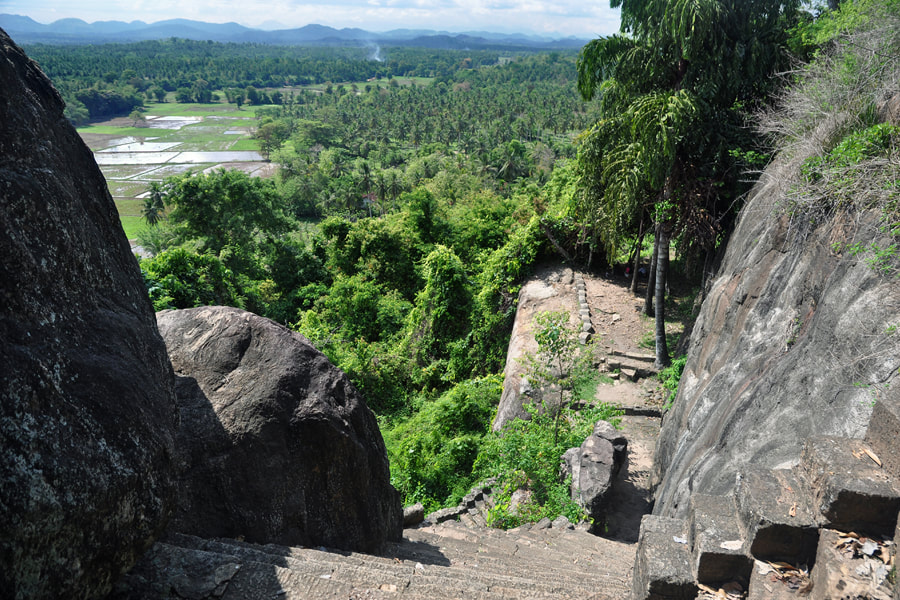
03 · King Vijayabahu III
Dambadeniya Kingdom Rock
Dambadeniya was a royal capital of medieval Sri Lanka. Encompassed by natural barriers of sheer mountain drop-offs, the king's palace was built on the summit of the majestic Dambadeniya Rock. Today, a scenic hike leads travelers up the rock to discover ancient foundation steps, structural ponds, ruins of the palace walls, and the Vijayasundararama Temple at the base. Dambadeniya marks the golden age of classical prose and poetry.
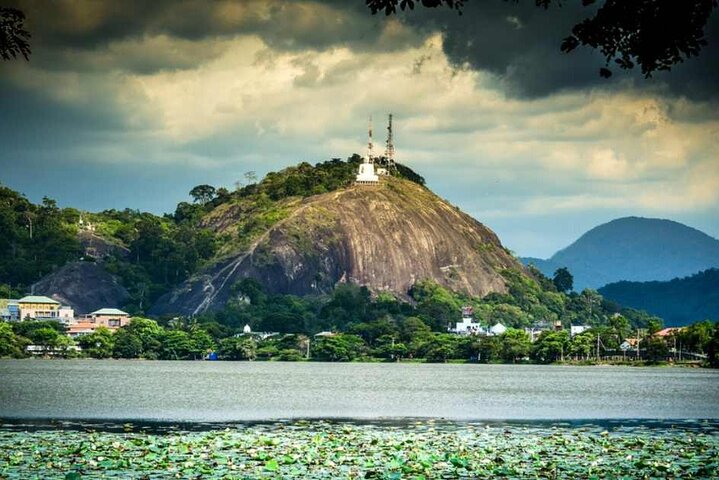
04 · King Buwanekabahu II
Kurunegala & Ethugala Peak
Kurunegala (also known as Hasthishailapura) served as a royal kingdom from 1293 to 1341. Its name translates to 'Elephant Rock' after the towering 325-metre granite boulder, Ethugala, that watches over the town. The summit is crowned with a monumental 88-foot seated white Buddha statue. From the peak, travelers enjoy a stunning panorama of the lakeside town, surrounding paddy fields, and the distant central highlands.